


China, Russia push for ceasefire amid Hormuz tensions
 Rabbia Zafar
|
4 weeks ago
Rabbia Zafar
|
4 weeks ago
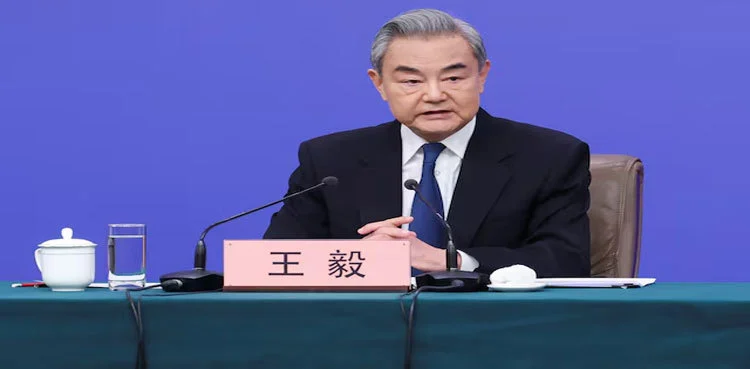
China has reaffirmed its commitment to working with Russia at the United Nations Security Council to help ease rising tensions in the Middle East, as concerns grow over disruptions in the Strait of Hormuz.
During a phone call on Sunday, Chinese Foreign Minister Wang Yi told his Russian counterpart Sergei Lavrov that the most effective way to address navigation and security concerns in the strait is through an immediate ceasefire. He emphasized that Beijing consistently supports resolving global flashpoints through dialogue and diplomatic engagement rather than military action.
The conversation comes ahead of a scheduled UN Security Council vote next week on a resolution proposed by Bahrain, aimed at ensuring the protection of commercial shipping routes in and around the Strait of Hormuz. The waterway is a critical artery for global energy supplies, particularly oil and gas shipments.
Trump Claims Russia, China Conducted Secret Nuclear Weapons Tests
Wang stressed that as permanent members of the Security Council, China and Russia should maintain an objective and balanced stance while seeking broader international backing for de-escalation efforts. He noted the importance of building consensus to stabilize the situation and prevent further disruption to global trade.
According to statements released by both sides, the ministers discussed pathways to secure a swift ceasefire and initiate a political and diplomatic process to resolve the crisis. Russia echoed similar views, highlighting alignment between Moscow and Beijing on key global issues, including the situation involving Iran.
China has repeatedly called for an end to hostilities in the Gulf and the wider Middle East, urging all parties to prioritize peace efforts. Ongoing conflict has significantly impacted shipping activity in the Strait of Hormuz, raising concerns about energy security and regional stability.








37 minutes ago
1 hour ago
2 hours ago
2 hours ago
5 hours ago
5 hours ago
- The US Treasury has warned that ships paying Iran for safe passage through the Strait of Hormuz could face sanctions.…
- A new survey shows that a majority of Americans believe the US military action against Iran was a mistake. The…
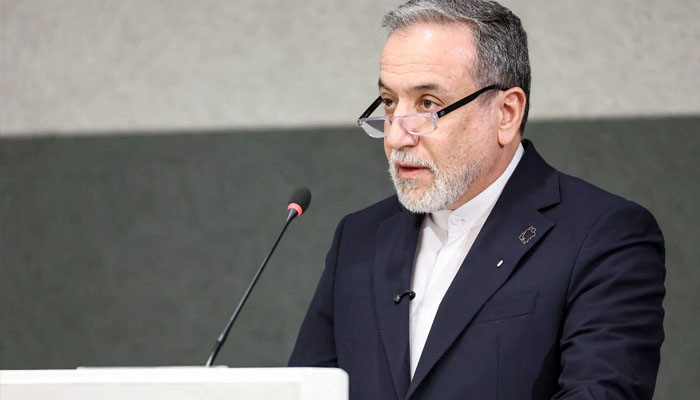
- Iran said diplomacy remains open if the United States changes its threatening tone, according to Foreign Minister Abbas Araghchi. He…
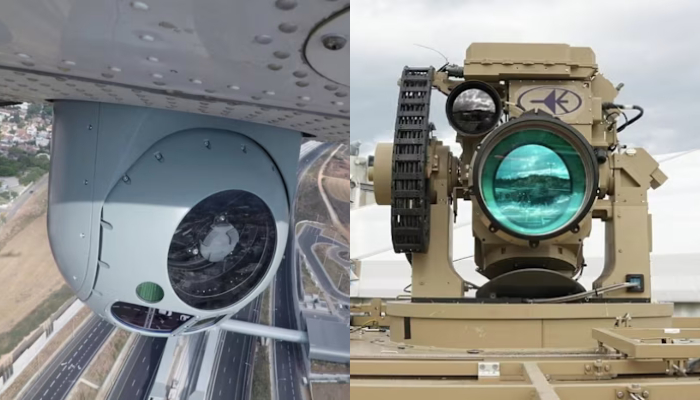
- Israel provided the UAE with an advanced laser defense system during the Iran war, according to a British newspaper report.…
 The Healthcare Devices Association of Pakistan (HDAP) has raised serious concerns over the continued presence of banned reusable syringes in…
- Federal health authorities have ordered strict nationwide enforcement of a ban on conventional disposable syringes and initiated a policy review…
 Pakistan’s second national anti-polio campaign of 2026 is continuing across the country, with efforts now in its sixth day as…
 A shocking report by BBC has triggered nationwide outrage in Pakistan after alleging severe medical malpractice at a Tehsil Headquarter…





- Hyderabad Kings qualify for the PSL final after a thrilling…37 minutes ago
- The US Treasury has warned that ships paying Iran for…1 hour ago
- A new survey shows that a majority of Americans believe…2 hours ago
- Iran said diplomacy remains open if the United States changes…2 hours ago